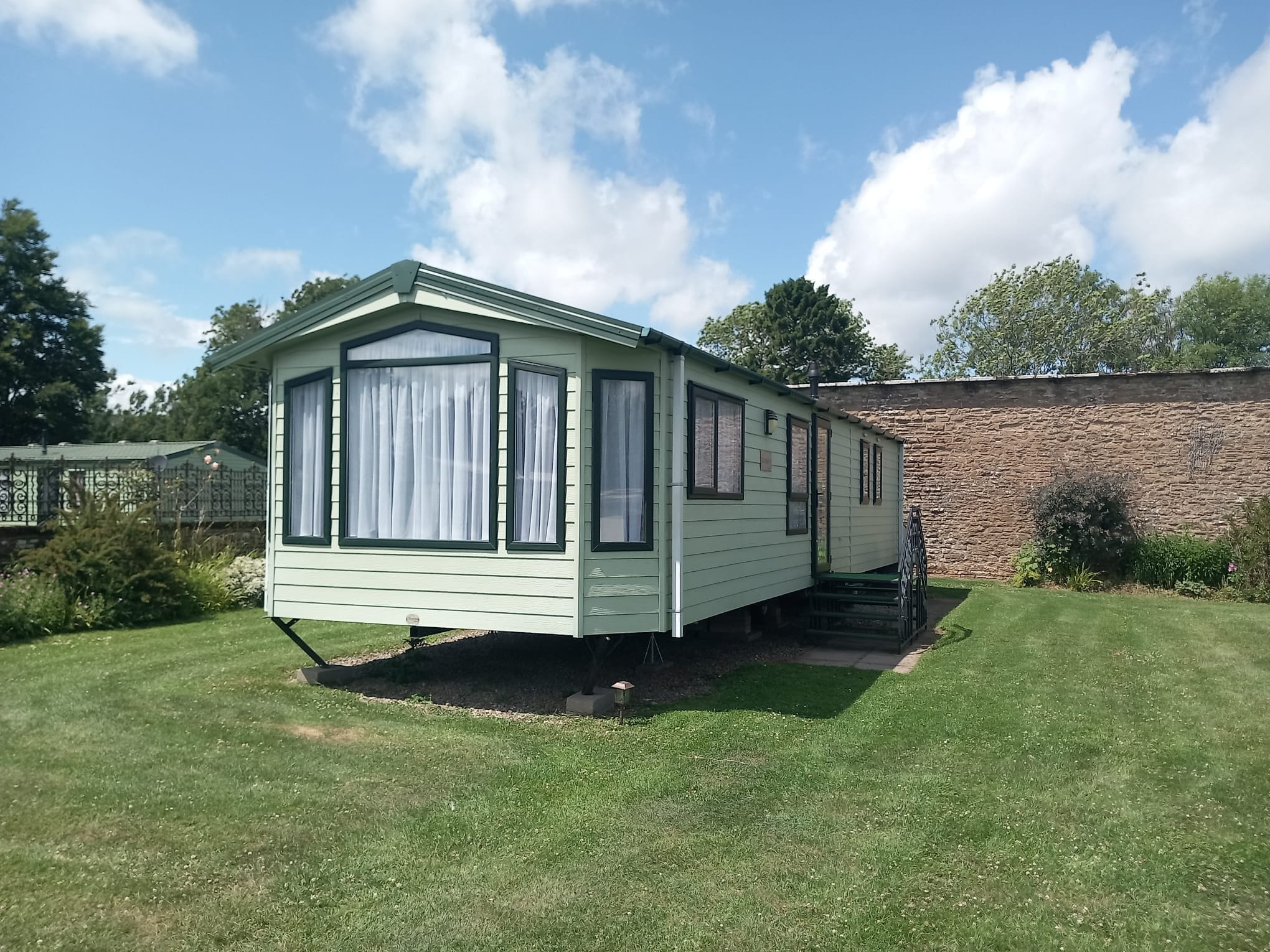
How do couples share space comfortably in a park home?
Thousands of UK couples are discovering that park home living offers unexpected benefits: less stress, more quality time, and surprisingly comfortable shared spaces. Modern residential park homes feature smart 40-45 square metre layouts with distinct zones for sleeping, cooking, and relaxing. Through clever furniture placement, vertical storage solutions, coordinated daily routines, and community facilities, couples create personal space without walls. Real residents share how downsizing strengthened their relationships, eliminated maintenance stress, and provided more time for what matters. Learn practical strategies for storage management, establishing routines, and maximizing compact spaces that prevent common relationship tensions.
Can you grow your own vegetables in a park home garden?
Wondering if you can grow vegetables in your park home garden? Absolutely! With smart planning, container gardening, and raised beds, even compact plots can produce abundant harvests year-round. From high-yield tomatoes and courgettes to fresh salad leaves and herbs, park home gardens offer surprising potential. Learn practical solutions for common challenges like limited space, drainage issues, and seasonal planting schedules. Whether you’re an experienced gardener or complete beginner, discover how to transform your outdoor space into a productive vegetable garden that delivers fresh, home-grown produce right to your door.
What gym and fitness facilities are near Worcestershire residential parks?
Living at a Worcestershire residential park doesn’t mean compromising on fitness. Multiple gyms and leisure centres operate within 10 miles of Leedons and Broadway Park, including 24/7 facilities, council leisure centres, and specialist studios. Whether you prefer traditional gym equipment, swimming pools, yoga classes, or outdoor activities, the area offers diverse fitness options. Plus, on-site amenities like Tai Chi and aqua aerobics complement external memberships perfectly. Learn about membership flexibility, accessibility features, and how to choose the right fitness facility for your park home lifestyle in the beautiful Worcestershire countryside.
How do park home residents celebrate birthdays and milestones?
Park home residents transform birthdays and milestones into truly special occasions through vibrant community connections and shared celebration spaces. From intimate gatherings in modern open-plan homes to larger events in communal halls and outdoor areas, residential park living offers unique advantages for celebrating life’s important moments. With built-in social networks, regular activities that create organic celebration opportunities, and neighbours who become extended family, every occasion gains extra warmth. Whether it’s a quiet afternoon tea, a bowling green birthday tournament, or a landmark anniversary with multi-generational guests, park home communities provide the facilities, support, and genuine friendships that make celebrations effortless and meaningful.
Can you have a barbecue or fire pit at your park home?
Wondering if you can enjoy outdoor cooking at your park home? Most residential parks allow barbecues and fire pits with proper safety measures. Gas and electric BBQs are typically preferred, while charcoal and contained fire pits require extra caution. You’ll need to maintain safe distances from structures, get written approval from park management, and follow community guidelines. Learn which equipment works best for park home spaces, essential safety practices like the three-metre rule, and how to balance outdoor entertaining with being a considerate neighbour in your residential park community.
Can you install a home security system in your park home?
Wondering if you can install a home security system in your park home? Absolutely! Wireless security systems work brilliantly in park homes, offering easy installation without structural modifications. From smart doorbells and CCTV cameras to motion sensors and alarm systems, modern technology provides comprehensive protection tailored to park home living. Plus, the close-knit community atmosphere adds natural security advantages. Learn about your options, installation considerations, park guidelines, and how security systems can even reduce insurance premiums while giving you complete peace of mind.
How do park home residents access dentists and opticians locally?
Wondering about healthcare access in park homes? Park home residents enjoy identical NHS rights to traditional homeowners, including full access to local dentists and opticians. Your park home address is recognized like any other residential property, with no special processes or restrictions. Our Worcestershire parks are conveniently located near market towns offering NHS and private dental and optical practices within 10-15 minutes. Discover how to register with local practices, book appointments, and benefit from the supportive community spirit that makes accessing healthcare services easier than ever.
How do park home residents manage prescription medications and pharmacy access?
Moving to a park home doesn’t compromise healthcare access. Park home residents enjoy full access to local pharmacies, seamless prescription delivery services, and convenient medication management options. Whether you’re considering residential park living or recently relocated, you’ll find that managing prescriptions is straightforward—often more convenient than traditional housing. From setting up repeat prescriptions with nearby GP practices to utilizing doorstep delivery services, park home addresses work exactly like any other residence. Plus, the supportive community atmosphere and well-designed storage solutions make medication routines easier to maintain.
Can you install a dishwasher in a park home kitchen?
Wondering if you can add a dishwasher to your park home kitchen? The answer is yes! Modern residential park homes are built to accommodate standard kitchen appliances with proper planning. This comprehensive guide covers everything you need to know—from measuring your space and choosing between slimline or integrated models, to understanding plumbing connections and electrical requirements. Discover how residents at Leedons and Broadway Park have successfully upgraded their kitchens, plus get expert tips on professional installation versus DIY approaches. Transform your daily routine and increase your home’s value with this practical kitchen upgrade.
Holiday Homes and Park Homes
1:19

1:17

1:26
1:25
1:20